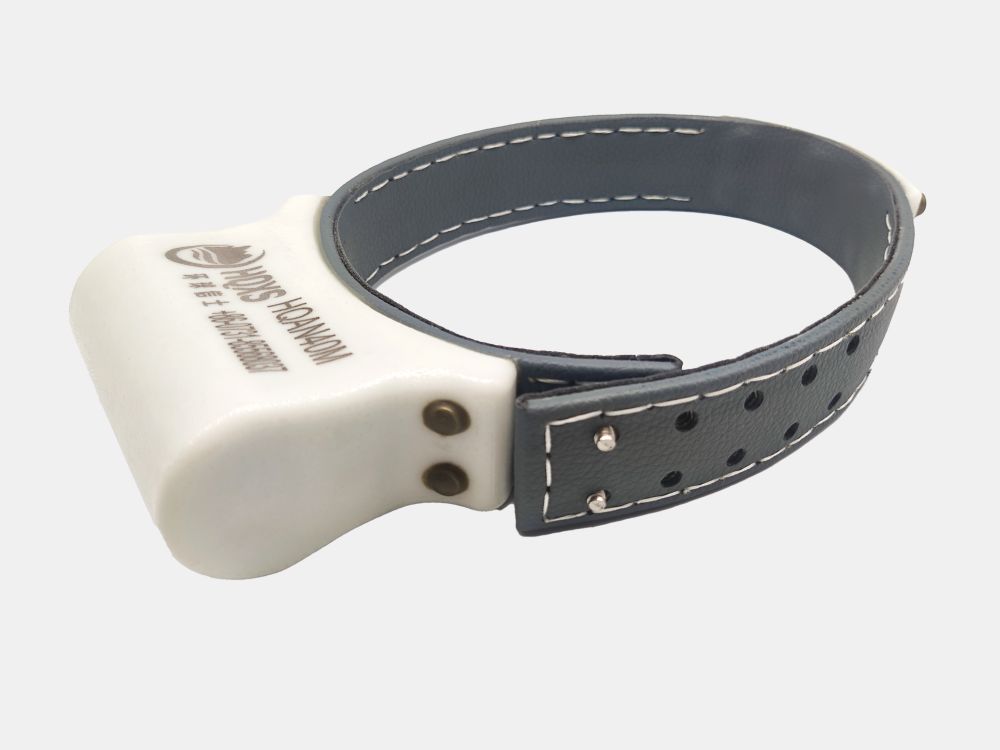
**Innovations in Wildlife Conservation: Advancements in Telemetry Animal Tracking Technology**In recent years, wildlife conservation has increasingly benefited from cutting-edge technology, enabling researchers and conservationists to monitor animal behavior, migration patterns, and habitat use with unprecedented precision. Among these advancements, telemetry animal tracking has emerged as a powerful tool, providing real-time data essential for protecting endangered species and ensuring biodiversity preservation.Telemetry animal tracking involves the remote collection of data from animals fitted with tracking devices, which transmit information about their location, movement, and physiological status. This technology has revolutionized wildlife research, allowing for continuous monitoring without the need for invasive procedures or frequent human intervention.One company at the forefront of this innovation has developed comprehensive telemetry solutions designed to meet the diverse needs of conservation projects around the world. Their technology integrates GPS, satellite communication, and environmental sensors into compact, durable devices that can be attached to a wide range of animal species—from small birds to large mammals. These trackers collect data on movements, habitat preferences, and even behavioral patterns, feeding this information back to researchers via secure data networks.The adoption of telemetry tracking has proved invaluable in several landmark conservation efforts. For example, tracking migratory birds along their flyways has provided insight into critical stopover sites that require protection. Similarly, monitoring elusive big cats has helped identify poaching hotspots and inform anti-poaching patrol deployments.Beyond ecological insights, telemetry data also support wildlife management policies. Governments and conservation organizations utilize tracking information to designate protected areas, design wildlife corridors, and mitigate human-wildlife conflict zones. By pinpointing how animals use their habitats, stakeholders can develop evidence-based strategies that balance conservation with local community needs.The integration of telemetry tracking with other technologies, such as machine learning and geographic information systems (GIS), has further enhanced conservation outcomes. Advanced algorithms analyze movement patterns to predict animal behavior changes in response to environmental shifts or human activities. This predictive capability enables proactive measures, such as adjusting land-use planning or implementing temporary protections during vulnerable periods like breeding seasons.Moreover, the company behind these telemetry solutions emphasizes a collaborative approach, working closely with research institutions, conservation NGOs, and local communities. They provide training and technical support to ensure the technology is used effectively and ethically, respecting animal welfare and cultural contexts.Looking toward the future, ongoing research aims to miniaturize devices further, extending battery life and adding new sensor capabilities, such as health monitoring and environmental data collection. These enhancements promise to deepen our understanding of wildlife ecology and enhance conservation interventions.Telemetry animal tracking represents a significant stride in leveraging technology for environmental stewardship. By delivering precise, timely data, it empowers conservationists to make informed decisions that protect vulnerable species and preserve the planet's rich biodiversity for generations to come.---This article highlights the vital role of telemetry animal tracking technology in modern wildlife conservation, showcasing its applications, benefits, and future potential while reflecting the expertise and innovative solutions provided by industry leaders in this field.
Read More