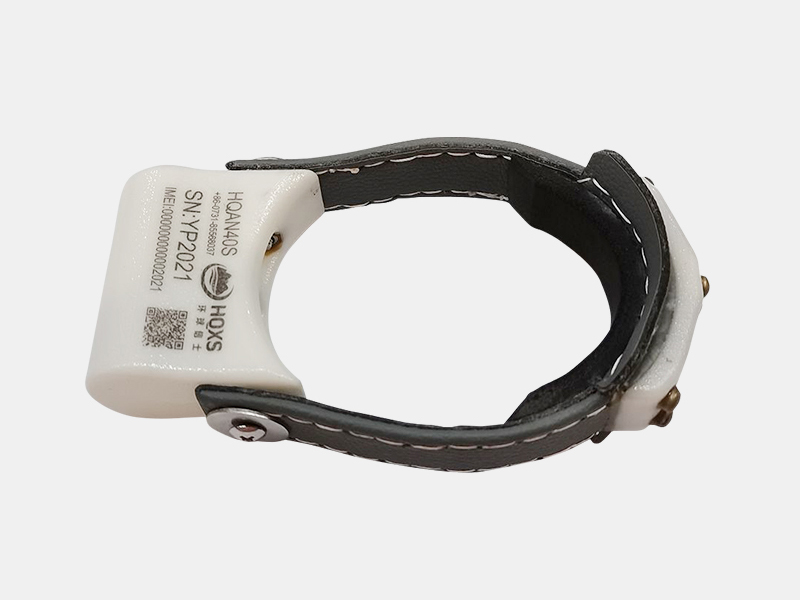
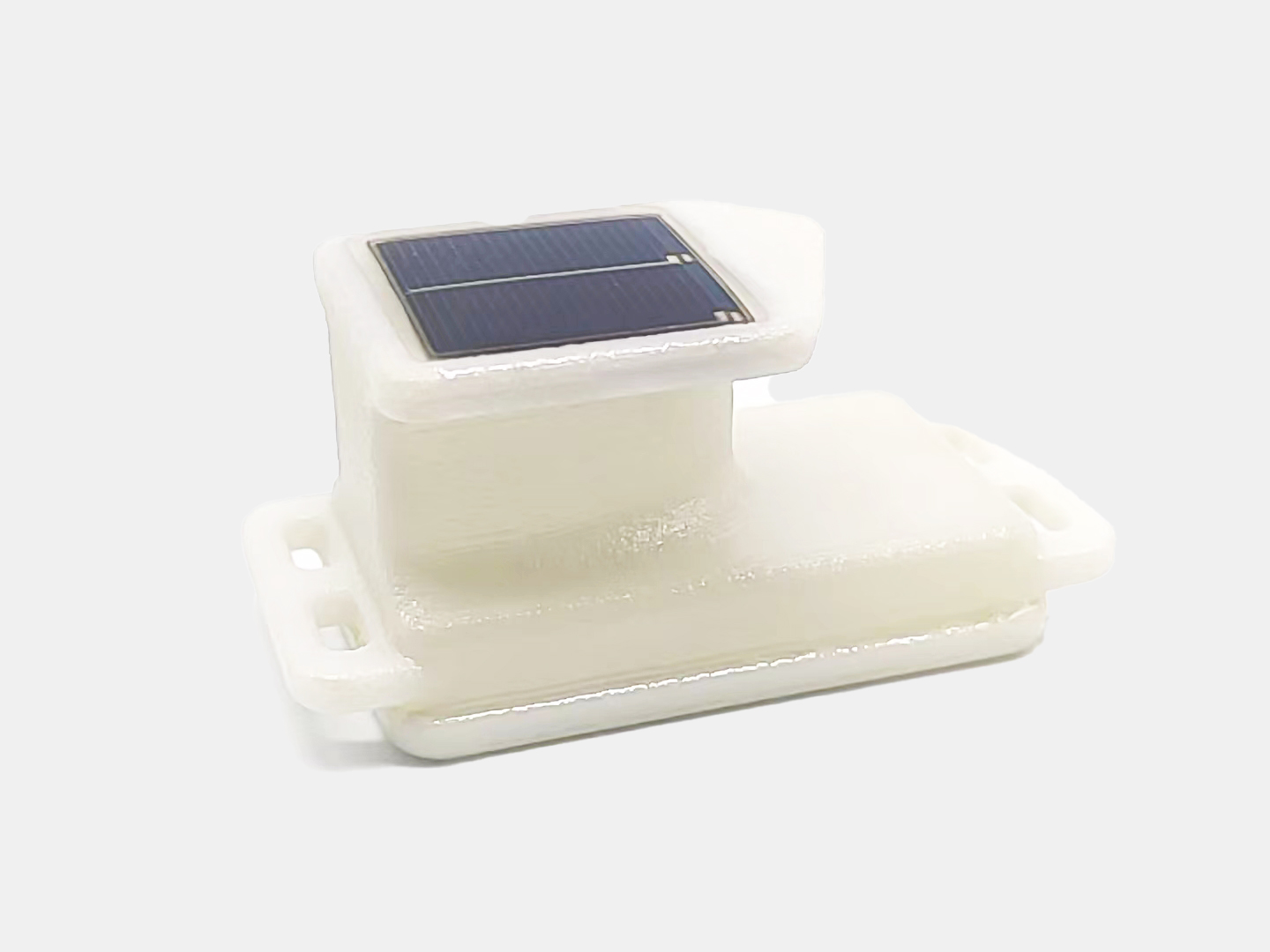
**Innovative Advances in Animal Tracking Technology Revolutionize Wildlife Conservation**In recent years, the field of wildlife conservation has witnessed significant advancements, largely thanks to the integration of cutting-edge telemetry animal tracking technology. This approach has transformed how researchers monitor animal behavior, migration patterns, and habitat usage, ultimately providing critical data that drives conservation efforts worldwide.Telemetry animal tracking technology involves the use of remotely transmitted data to track and monitor animals in their natural environments. By attaching lightweight tracking devices to animals, scientists can collect real-time information on location, movement, and various physiological parameters without the need for direct human interference. This non-invasive method enhances the accuracy of wildlife studies and facilitates better-informed conservation strategies.One of the key benefits of telemetry tracking is its ability to provide continuous and precise data over extended periods. Traditional tracking methods, such as manual observation or mark-and-recapture, are often labor-intensive and limited by time and accessibility constraints. Telemetry devices, on the other hand, can relay data via satellite or cellular networks, ensuring researchers have a steady stream of valuable information regardless of the animal’s whereabouts.The adoption of telemetry tracking has been particularly impactful for studying endangered species. For example, tracking migratory birds, large mammals, and marine creatures has enabled conservationists to identify critical habitats, breeding grounds, and migratory corridors that are essential for species survival. This information guides policymakers and environmental organizations in creating protected areas, implementing anti-poaching measures, and mitigating human-wildlife conflicts.Moreover, advancements in the technology itself have made telemetry devices smaller, more durable, and more energy-efficient. Modern trackers are equipped with features such as GPS, accelerometers, temperature sensors, and heart rate monitors. These enhancements allow scientists to gain a comprehensive understanding of animal health, stress levels, and responses to environmental changes, further enriching conservation biology.In addition to technological improvements, the integration of big data analytics and artificial intelligence (AI) with telemetry tracking is opening new frontiers. By analyzing vast datasets collected from animal movements and behaviors, researchers can detect patterns and predict trends related to climate change, habitat fragmentation, and species interactions. AI-powered models can also assist in early warning systems for wildlife diseases and poaching activities, enhancing proactive conservation measures.The impact of telemetry animal tracking extends beyond academic research. It fosters collaboration among governments, NGOs, local communities, and the private sector. Shared access to tracking data promotes transparency, resource optimization, and coordinated efforts in biodiversity protection. Furthermore, public engagement is heightened as real-time tracking data can be shared through interactive platforms and educational programs, raising awareness and fostering a global conservation ethic.In the context of wildlife management policies, telemetry technology is playing a crucial role in ensuring sustainable coexistence between humans and animals. For instance, tracking data helps in designing wildlife corridors that reduce accidental encounters with vehicles, informing urban planning around natural habitats, and managing livestock-wildlife interactions to prevent disease transmission.As telemetry animal tracking continues to evolve, ethical considerations around animal welfare and data privacy remain paramount. Researchers are committed to using minimally invasive devices and ensuring that tracking does not interfere with natural behaviors. Additionally, safeguarding sensitive location data prevents misuse that could endanger vulnerable species.In conclusion, telemetry animal tracking stands as a cornerstone of modern wildlife conservation. By harnessing advanced technology to monitor animal movements and health with unprecedented precision, it empowers scientists, conservationists, and policymakers to make informed decisions that protect biodiversity and promote ecological balance. This innovative approach heralds a new era where technology and nature work hand in hand to preserve the planet’s invaluable wildlife heritage for generations to come.
Read More