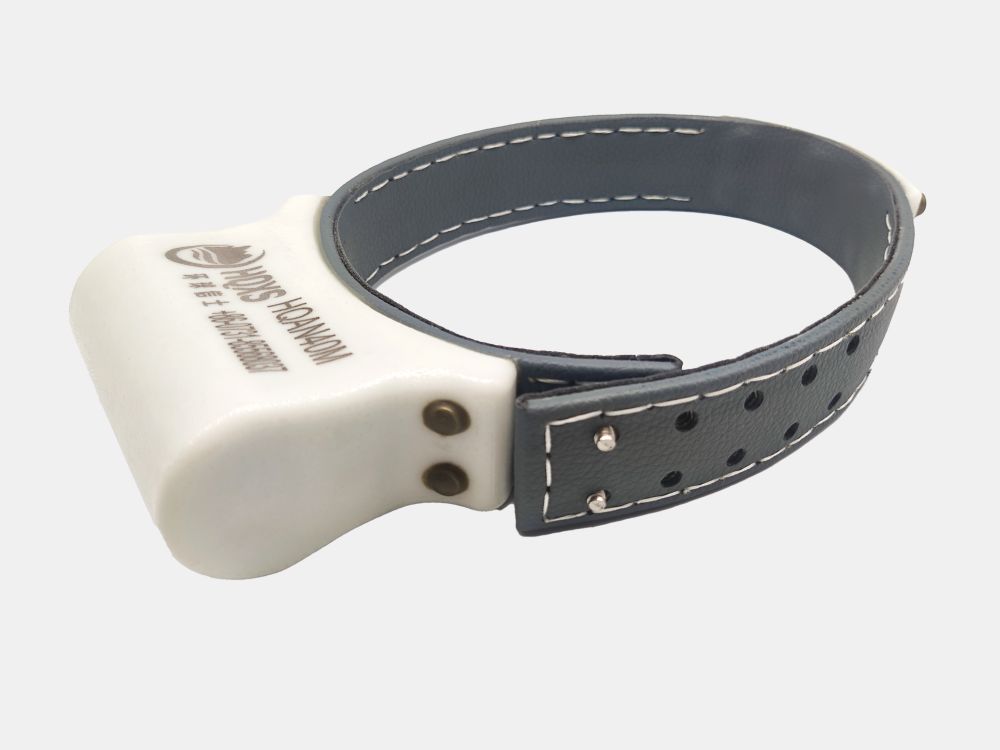
**Advancements in Racing Pigeon Tracking Devices Revolutionize the Sport**In recent years, the sport of racing pigeons has undergone significant technological advancements, particularly in the area of tracking devices. The latest developments in racing pigeon tracking rings—a type of identification and tracking gadget attached to a pigeon's leg—are transforming how enthusiasts monitor their birds' performance, health, and location during races. Combined with innovative company efforts to provide reliable and accurate tracking systems, these advancements are setting new standards for the sport’s future.### The Evolution of Racing Pigeon Tracking DevicesTraditionally, pigeon racing involved timing the birds manually as they returned home over set distances. The process was often labour-intensive, with organizers relying on physical rings that only provided basic identification but no real-time data. Over time, the need for more precise and immediate information gave rise to electronic tracking rings.Modern racing pigeon tracking rings are small, lightweight devices that use GPS and RFID technology to track the birds’ movements throughout a race. These rings capture crucial data such as flight path, speed, and rest intervals, delivering valuable insights that help trainers understand their birds better and optimize their training regimes.### Key Features of Modern Tracking RingsThe new generation of racing pigeon tracking rings boasts several features designed with both the birds and their owners in mind:- **Lightweight and Comfortable Design:** The rings are engineered to be as light as possible to avoid hindering the pigeons' flight.- **Long Battery Life:** Advanced batteries ensure the rings function throughout long-distance races without the need for frequent replacements.- **Accurate GPS Tracking:** Real-time location data is made available via smartphone apps or web platforms, allowing owners to monitor their pigeons remotely.- **Durability and Weather Resistance:** Made from robust materials, these rings withstand various weather conditions.### Enhancing the Sport with Data-Driven InsightsOne of the most significant benefits of these tracking devices lies in the wealth of data they generate. Trainers and competitors can analyze flight paths to identify the most efficient routes, observe speed fluctuations that might indicate fatigue or health issues, and time rest stops. This data-driven approach helps raise competitive standards and promotes healthier management of the pigeons.Moreover, race organizers benefit from enhanced accuracy in timing and results verification, reducing disputes and increasing transparency. This technological integration encourages greater participation in pigeon racing by fostering an environment of fairness and innovation.### Company Commitment to Innovation and QualitySeveral companies dedicated to pigeon racing technology have played pivotal roles in advancing tracking ring technology. They focus on continuous product improvement backed by thorough research and development, customer feedback, and commitment to animal welfare.These companies are not only providing hardware but integrating their devices with intuitive software platforms that make managing pigeon data easier than ever. User-friendly mobile applications allow pigeon fanciers to register their birds, track their progress during races, and access historical data for training analyses. Training tips and health monitoring features are often built-in, reflecting a holistic approach to pigeon care.### The Broader Impact on the Racing Pigeon CommunityThe introduction of smart tracking rings has also strengthened the community aspect of pigeon racing. Online leaderboards and shared performance records foster friendly competition and community engagement. Social features integrated into apps help enthusiasts share experiences and strategies, further enriching the sport.Additionally, ethical concerns around pigeon welfare are addressed with these technologies. Early detection of flight anomalies or signs of distress enables timely intervention, safeguarding the birds’ health.### Future Prospects and ChallengesWhile the latest tracking rings mark significant progress, the field continues to evolve. Future innovations may include even lighter materials, improved battery technologies such as solar charging, and more sophisticated analytics powered by artificial intelligence. Integration with broader animal health ecosystems, including biometric sensors measuring heart rate or stress, is also anticipated.However, challenges remain. Ensuring the affordability of advanced tracking devices is critical for widespread adoption, particularly among hobbyists in developing regions. Companies must balance cutting-edge features with cost-effectiveness. Furthermore, data privacy and secure transmission protocols are vital as location data becomes increasingly precise and sensitive.### ConclusionThe advancements in racing pigeon tracking rings represent a landmark development in the preservation and modernization of a cherished sport. By harnessing technology, pigeon racing enthusiasts gain unprecedented insight and control over their birds’ performance and well-being. Coupled with the commitment of innovative companies to quality and ethical practices, these devices are set to propel pigeon racing into a new era marked by transparency, competition, and enhanced animal care.As the sport embraces these innovations, both seasoned racers and newcomers can look forward to more thrilling, accessible, and responsible pigeon racing experiences. The fusion of tradition and technology promises a vibrant future for pigeons and their passionate human counterparts alike.
Read More